
How to Drive a Manual Car
How to Drive a Manual Car
-

1 HOUR AUTOMATIC LESSON
£38.00 -
2 HOURS AUTOMATIC LESSON
£76.00 -
10 HOURS AUTOMATIC LESSON
£360.00 -

1 HOUR MANUAL LESSON
£38.00 -
2 HOURS MANUAL LESSONS
£76.00 -
10 HOURS MANUAL LESSON
£360.00 -

15 HOURS INTENSIVE DRIVING LESSON (intensity 2 to 6 days)
£860.00 -
20 HOURS INTENSIVE DRIVING LESSON (intensity 1 to 3 weeks)
£1,085.00 -
25 HOURS INTENSIVE DRIVING LESSON (intensity 1 to 4 weeks)
£1,310.00 -
30 HOURS INTENSIVE DRIVING LESSON (intensity 1 to 5 weeks)
£1,520.00 -
35 HOURS INTENSIVE DRIVING LESSON (intensity 1 to 6 weeks)
£1,640.00 -
40 HOURS INTENSIVE DRIVING LESSON (intensity 2 to 8 weeks)
£1,940.00
How to Drive a Manual Car
Welcome to Elite Driving School, a trusted choice for reliable and affordable driving lessons. We offer both automatic and manual driving lessons to suit learners of all experience levels. Our friendly and professional male and female instructors are here to help you build confidence and learn safe driving skills. We provide refresher lessons, intensive driving courses, crash courses, pass plus training, nervous driver support, and motorway lessons. Covering Blackburn, Darwen, Accrington, Preston, Nelson, and surrounding areas, our goal is to help every learner become a safe and confident driver and pass their driving test with success.

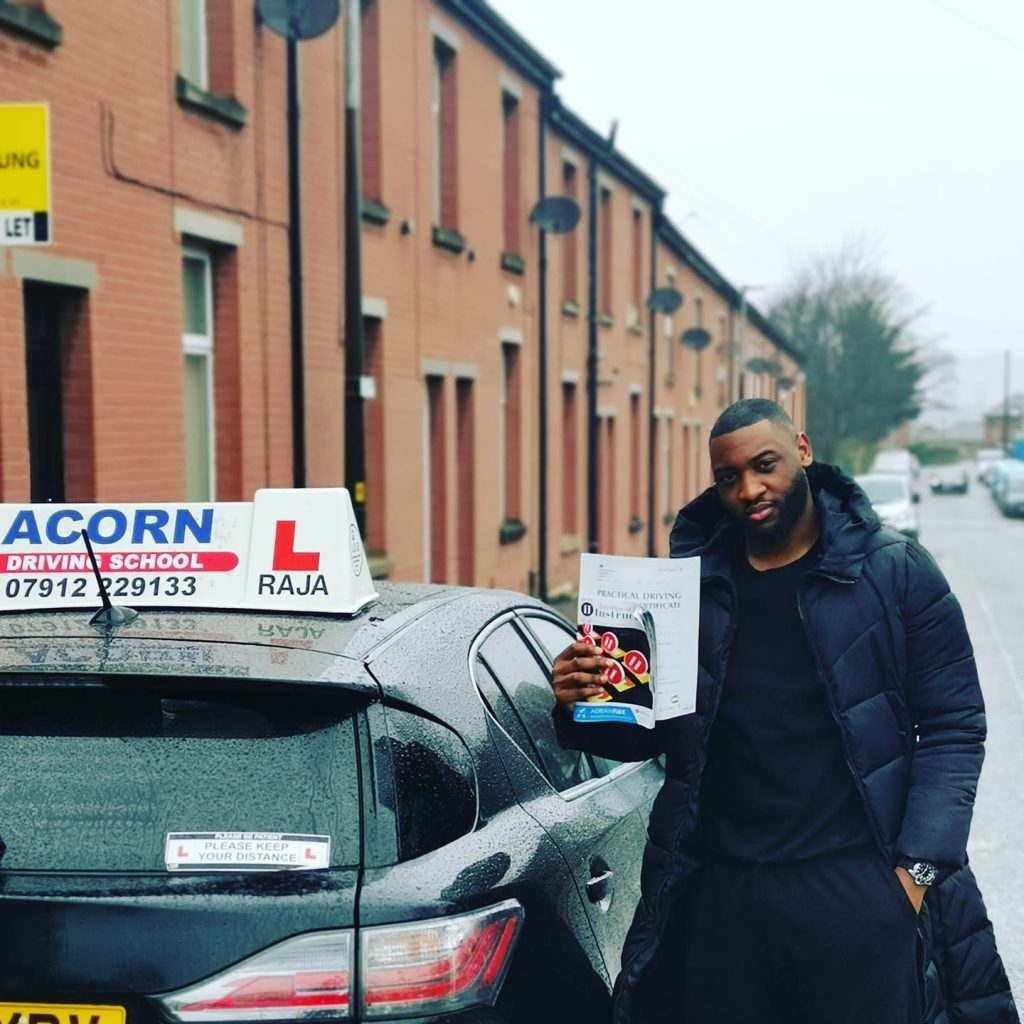
Our Happy Customers




Explore More Driving Courses By Elite Driving School
-
1 HOUR AUTOMATIC LESSON
£38.00 -
2 HOURS AUTOMATIC LESSON
£76.00 -
10 HOURS AUTOMATIC LESSON
£360.00 -
1 HOUR MANUAL LESSON
£38.00 -
2 HOURS MANUAL LESSONS
£76.00 -
10 HOURS MANUAL LESSON
£360.00 -
15 HOURS INTENSIVE DRIVING LESSON (intensity 2 to 6 days)
£860.00 -
20 HOURS INTENSIVE DRIVING LESSON (intensity 1 to 3 weeks)
£1,085.00 -
25 HOURS INTENSIVE DRIVING LESSON (intensity 1 to 4 weeks)
£1,310.00 -
30 HOURS INTENSIVE DRIVING LESSON (intensity 1 to 5 weeks)
£1,520.00 -
35 HOURS INTENSIVE DRIVING LESSON (intensity 1 to 6 weeks)
£1,640.00 -
40 HOURS INTENSIVE DRIVING LESSON (intensity 2 to 8 weeks)
£1,940.00
-
1 HOUR AUTOMATIC LESSON
£38.00 -
2 HOURS AUTOMATIC LESSON
£76.00 -
10 HOURS AUTOMATIC LESSON
£360.00 -
1 HOUR MANUAL LESSON
£38.00 -
2 HOURS MANUAL LESSONS
£76.00 -
10 HOURS MANUAL LESSON
£360.00 -
15 HOURS INTENSIVE DRIVING LESSON (intensity 2 to 6 days)
£860.00 -
20 HOURS INTENSIVE DRIVING LESSON (intensity 1 to 3 weeks)
£1,085.00 -
25 HOURS INTENSIVE DRIVING LESSON (intensity 1 to 4 weeks)
£1,310.00 -
30 HOURS INTENSIVE DRIVING LESSON (intensity 1 to 5 weeks)
£1,520.00 -
35 HOURS INTENSIVE DRIVING LESSON (intensity 1 to 6 weeks)
£1,640.00 -
40 HOURS INTENSIVE DRIVING LESSON (intensity 2 to 8 weeks)
£1,940.00
-
15 HOURS INTENSIVE DRIVING LESSON (intensity 2 to 6 days)
£860.00 -
20 HOURS INTENSIVE DRIVING LESSON (intensity 1 to 3 weeks)
£1,085.00 -
25 HOURS INTENSIVE DRIVING LESSON (intensity 1 to 4 weeks)
£1,310.00 -
30 HOURS INTENSIVE DRIVING LESSON (intensity 1 to 5 weeks)
£1,520.00 -
35 HOURS INTENSIVE DRIVING LESSON (intensity 1 to 6 weeks)
£1,640.00 -
40 HOURS INTENSIVE DRIVING LESSON (intensity 2 to 8 weeks)
£1,940.00 -
45 HOURS INTENSIVE DRIVING LESSON (intensity 2 to 12 weeks)
£2,140.00 -
10 HOURS INTENSIVE DRIVING LESSON (intensity 2 to 4 days) (Copy)
£610.00
-
1 HOUR AUTOMATIC LESSON
£38.00 -
2 HOURS AUTOMATIC LESSON
£76.00 -
10 HOURS AUTOMATIC LESSON
£360.00 -
1 HOUR MANUAL LESSON
£38.00 -
2 HOURS MANUAL LESSONS
£76.00 -
10 HOURS MANUAL LESSON
£360.00 -
15 HOURS INTENSIVE DRIVING LESSON (intensity 2 to 6 days)
£860.00 -
20 HOURS INTENSIVE DRIVING LESSON (intensity 1 to 3 weeks)
£1,085.00 -
25 HOURS INTENSIVE DRIVING LESSON (intensity 1 to 4 weeks)
£1,310.00 -
30 HOURS INTENSIVE DRIVING LESSON (intensity 1 to 5 weeks)
£1,520.00 -
35 HOURS INTENSIVE DRIVING LESSON (intensity 1 to 6 weeks)
£1,640.00 -
40 HOURS INTENSIVE DRIVING LESSON (intensity 2 to 8 weeks)
£1,940.00

-
1 HOUR AUTOMATIC LESSON
£38.00 -
2 HOURS AUTOMATIC LESSON
£76.00 -
10 HOURS AUTOMATIC LESSON
£360.00 -
1 HOUR MANUAL LESSON
£38.00 -
2 HOURS MANUAL LESSONS
£76.00 -
10 HOURS MANUAL LESSON
£360.00 -
15 HOURS INTENSIVE DRIVING LESSON (intensity 2 to 6 days)
£860.00 -
20 HOURS INTENSIVE DRIVING LESSON (intensity 1 to 3 weeks)
£1,085.00 -
25 HOURS INTENSIVE DRIVING LESSON (intensity 1 to 4 weeks)
£1,310.00 -
30 HOURS INTENSIVE DRIVING LESSON (intensity 1 to 5 weeks)
£1,520.00 -
35 HOURS INTENSIVE DRIVING LESSON (intensity 1 to 6 weeks)
£1,640.00 -
40 HOURS INTENSIVE DRIVING LESSON (intensity 2 to 8 weeks)
£1,940.00

-
1 HOUR AUTOMATIC LESSON
£38.00 -
2 HOURS AUTOMATIC LESSON
£76.00 -
10 HOURS AUTOMATIC LESSON
£360.00 -
1 HOUR MANUAL LESSON
£38.00 -
2 HOURS MANUAL LESSONS
£76.00 -
10 HOURS MANUAL LESSON
£360.00 -
15 HOURS INTENSIVE DRIVING LESSON (intensity 2 to 6 days)
£860.00 -
20 HOURS INTENSIVE DRIVING LESSON (intensity 1 to 3 weeks)
£1,085.00 -
25 HOURS INTENSIVE DRIVING LESSON (intensity 1 to 4 weeks)
£1,310.00 -
30 HOURS INTENSIVE DRIVING LESSON (intensity 1 to 5 weeks)
£1,520.00 -
35 HOURS INTENSIVE DRIVING LESSON (intensity 1 to 6 weeks)
£1,640.00 -
40 HOURS INTENSIVE DRIVING LESSON (intensity 2 to 8 weeks)
£1,940.00
Join Our Team
We are currently hiring passionate and DVSA-approved ADI (Approved Driving Instructors) and PDI (Potential Driving Instructors), both male and female, to join our growing team. If you are based in Blackburn, Darwen, Accrington, Preston, or Nelson and have experience in delivering automatic or manual driving lessons, we’d love to hear from you. Whether you’re fully qualified or still in training, this is a great opportunity to work with a professional and supportive driving school.
Understanding the Basics of a Manual Car
A manual car has three pedals: the clutch (left), brake (middle), and accelerator (right). It also has a gear stick that lets you manually select gears. Before starting, make sure you’re seated comfortably, with your seat adjusted so you can press the clutch fully. Always press the clutch down before starting the engine. Familiarise yourself with the gear layout, usually displayed on top of the gear knob
In a manual car, the clutch connects and disconnects the engine from the wheels. Pressing it allows you to change gears without damaging the gearbox. Gear shifting is essential for controlling speed and power as you drive
Starting the Car and Moving Off
To start, press the clutch all the way down and shift into first gear while keeping your foot on the brake. Slowly lift your foot off the clutch while gently pressing the accelerator. When you find the biting point—the moment the car starts to move forward slightly—hold your feet steady, then release the handbrake
As the car begins to move, gently release the clutch fully and press the accelerator more to gain speed. Avoid releasing the clutch too quickly, as it can cause the car to stall. With practice, you’ll learn to balance both pedals smoothly
Changing Gears Correctly
Once the car gains speed, you’ll need to change gears. Press the clutch down fully before moving the gear stick to the next gear. For example, shift from first to second when the engine sounds louder or reaches about 2,000–2,500 RPM. After changing gears, slowly release the clutch while pressing the accelerator
Manual cars typically follow a gear pattern from first up to fifth or sixth gear, depending on the model. You should always match your speed and road conditions to the appropriate gear. Lower gears are for slower speeds and hill climbs, while higher gears are for faster driving and fuel efficiency
Slowing Down and Stopping
To slow down in a manual car, ease off the accelerator and gently press the brake. If you’re coming to a complete stop, press the clutch fully before the engine starts to struggle or stall. Shift into neutral if you’re waiting for a while, such as at a red light
When stopping in traffic or on a slope, use the handbrake to prevent rolling. Always return to first gear before moving off again. Practising smooth stopping helps you avoid sudden jerks and increases passenger comfort
Common Mistakes to Avoid
Many beginners stall the car by releasing the clutch too quickly or not using enough acceleration. Another common error is riding the clutch—keeping your foot lightly on the pedal while driving—which wears out the clutch over time
Don’t skip gears unless you’re confident. Skipping gears can confuse new drivers and lead to jerky driving. Make sure to practise frequently in quiet areas to build confidence before driving in busy traffic

